
Robert F. Kennedy Jr. has a new rallying cry: Eat real food. It’s an intuitive piece of advice—snack on some grapes instead of potato chips, trade that microwaveable mystery meat for a grilled chicken breast. The tagline has accompanied the new Dietary Guidelines for Americans, the government’s official nutrition recommendations, which call for Americans to prioritize whole foods and limit processed ones. “It’s time to start eating real food again,” the health secretary said during a speech in Pennsylvania last week. The Trump administration has even launched a new website, realfood.gov, which welcomes visitors with an animation of a steak, a carton of whole milk, and a head of broccoli.
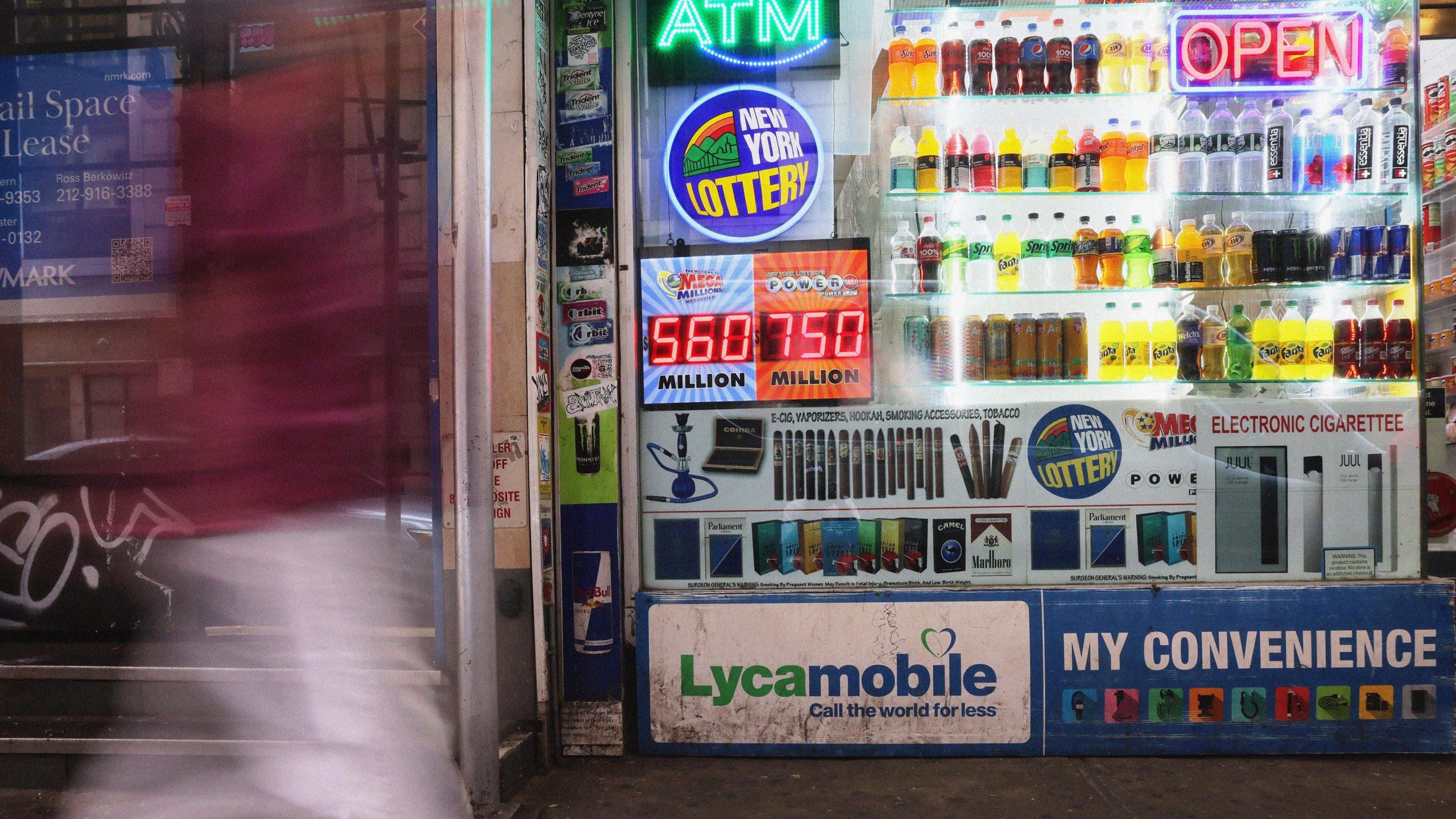
The path toward Kennedy’s goal runs through an overlooked piece of the food landscape: convenience stores. The purveyors of late-night hot dogs, tins of Zyn, and countless varieties of gummy worms generally don’t sell a lot of “real food.” But in America’s food deserts, convenience stores are more than just places to pick up a snack—they’re grocery stores. The USDA estimates that tens of millions of Americans live in low-income areas with limited access to grocery stores. Mini-marts such as 7-Eleven and Sheetz “have an outsized role in our food system because they are the only food access point in many neighborhoods,” Hilary Seligman, an expert of food insecurity at UC San Francisco, told me.
The Trump administration does have a tool it can use to force the humble mini-mart to stock healthier options. Food stamps are an essential part of convenience stores’ business, but to participate in the program, retailers must carry products across a range of food groups. Those standards are poised to get an overhaul: “We are requiring that every outlet that accepts food stamps double the amount of real food that it sells in its facility,” Kennedy said last week. That decision is really up to Secretary of Agriculture Brooke Rollins, whose agency runs the food-stamp program, and she made similar comments at a press conference earlier this month. When I asked the Department of Agriculture for more details about the planned changes, a spokesperson directed me to a proposal released in draft form last fall. Under those new rules, stores would be required to carry seven varieties of food across four categories: protein, dairy, grains, and vegetables and fruits.
[Read: The new food-stamp rules will make your head spin]
The move could put us one step closer to healthy convenience stores, which have long been a dream of some nutrition reformers. Several experiments in different cities—including in Baltimore, New Orleans, and Denver—have tried to alleviate the problem of food deserts by improving the offerings at local mini-marts. A review of these pilot programs found “consistent improvements across most of the trials in the availability and sale of healthy foods, the purchase and consumption of those foods, and consumer knowledge.”
But the Trump administration’s plan isn’t perfect. Under the draft proposal, corner stores won’t have to follow any specific nutritional guardlines, so long as they meet the food-group standards. The Center for Science in the Public Interest, a consumer-advocacy group, has warned that the new standards mean that stores could stock Fruity Pebbles to fulfill the grain requirement, and sugary canned peaches for the fruit requirement. “It would be very easy for a retailer to meet the proposed rule by stocking foods in each staple food category that are high in added sugar, sodium, saturated fat, and refined grains,” Joelle Johnson, the deputy director of CSPI, told me.
[Read: Why don’t convenience stores sell better food?]
Changing mini-marts for good won’t be easy. Owners stock their stores based on what sells, and available data suggest that “real food” isn’t exactly driving sales. A recent analysis by Lula Commerce, an online-shopping tool for convenience stores, found that alcohol, soda, and energy drinks were the top items ordered by their stores’ customers. And a 2021 report by the National Association of Convenience Stores pointed to packaged beverages, cigarettes, and salty snacks as among the best sellers. Convenience stores are concerned that stocking healthy products will just mean wasted shelf space in their already crowded stores. They typically don’t have the margins necessary to swap out a section of the drink cooler to stock cauliflower or salmon filets, especially when these products may rot. NACS supports aspects of the Trump administration’s push to heighten the requirements for what these stores have to stock, Margaret Hardin Mannion, the group’s director of government relations, told me. But, she added, “we have to be able to sell what our customers want to buy.” Though the Trump administration is within its power to mandate that convenience stores participating in the food-stamps program stock as many healthy goods as it deems fit, that could easily backfire if retailers back out of the program entirely.
Until convenience stores actually give customers the option to buy strawberries instead of Slim Jims, it’s hard to know exactly how well-founded their fears really are. The smattering of experiments that stocked mini-marts with fresh produce suggest that people do have some interest in eating healthier when they can. But many of these trials also included efforts meant specifically to drum up sales of healthy items. In one experiment in Baltimore, convenience stores were encouraged to stock certain healthy foods through subsidies from researchers. Retailers hung up posters to promote these new healthy foods, and some gave out coupons to encourage specific purchases. Replicating an experiment like this on the national scale would cost some major cash. (There are more than 150,000 convenience stores in the United States.) And it would require a real leap of faith from an administration that to date has focused much of its efforts on restricting the products that can be purchased with food stamps, and on rooting out alleged fraud within the program.
For now, RFK Jr. and other health officials are stuck with a convenience-store conundrum. The mini-mart embodies how hard it is to actually improve the American diet. It’s enough of a challenge to get stores to stock their shelves with broccoli. But that still isn’t a guarantee that people will put down the Doritos.